The Three-Sheet Coordination Review
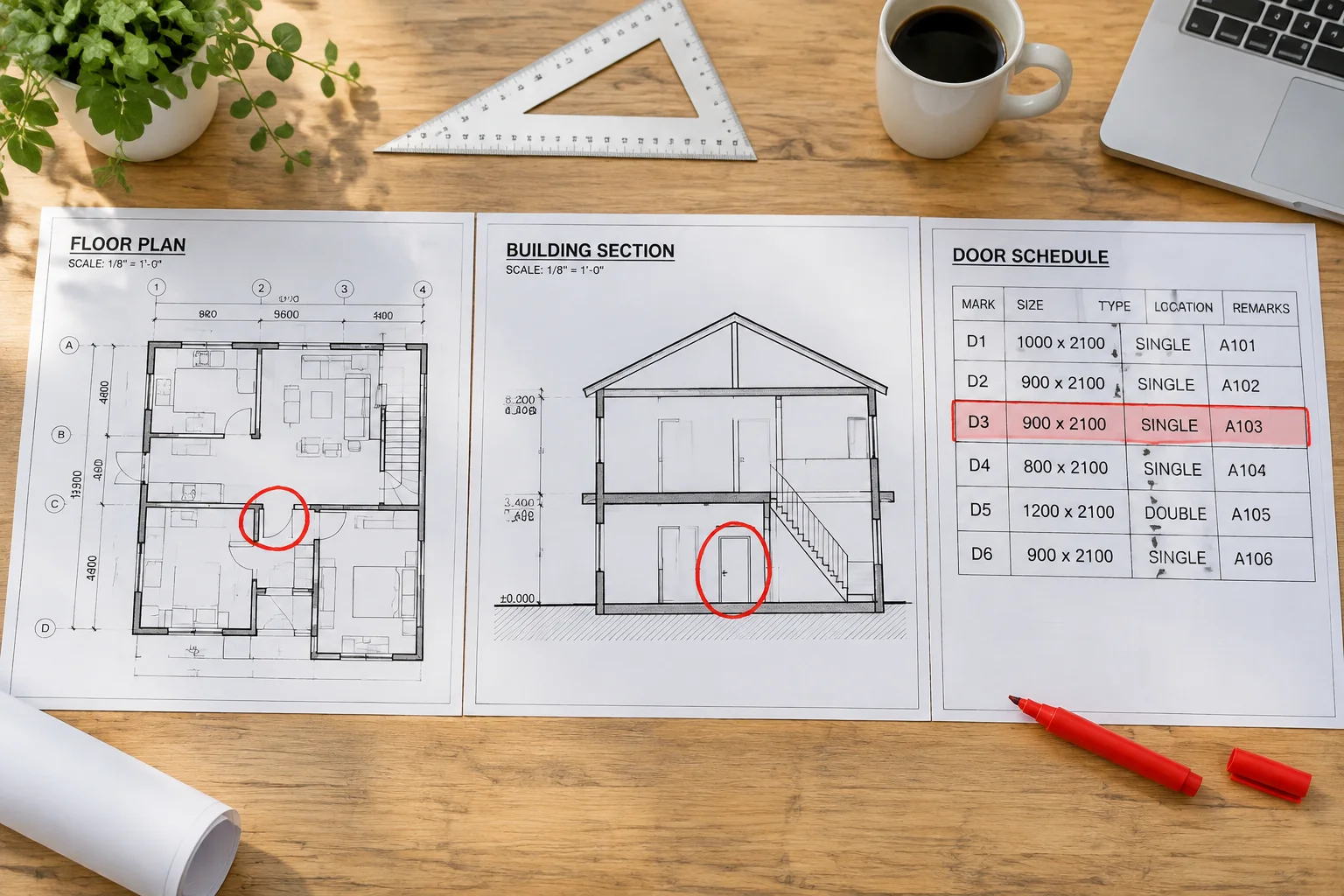
A comprehensive analysis of cross-sheet view inconsistencies between floor plans, reflected ceiling plans, and door schedules in complex commercial models.

Explore real-world case studies, clash reviews, coordinate shift impacts, and standardized view verification protocols.

A comprehensive analysis of cross-sheet view inconsistencies between floor plans, reflected ceiling plans, and door schedules in complex commercial models.
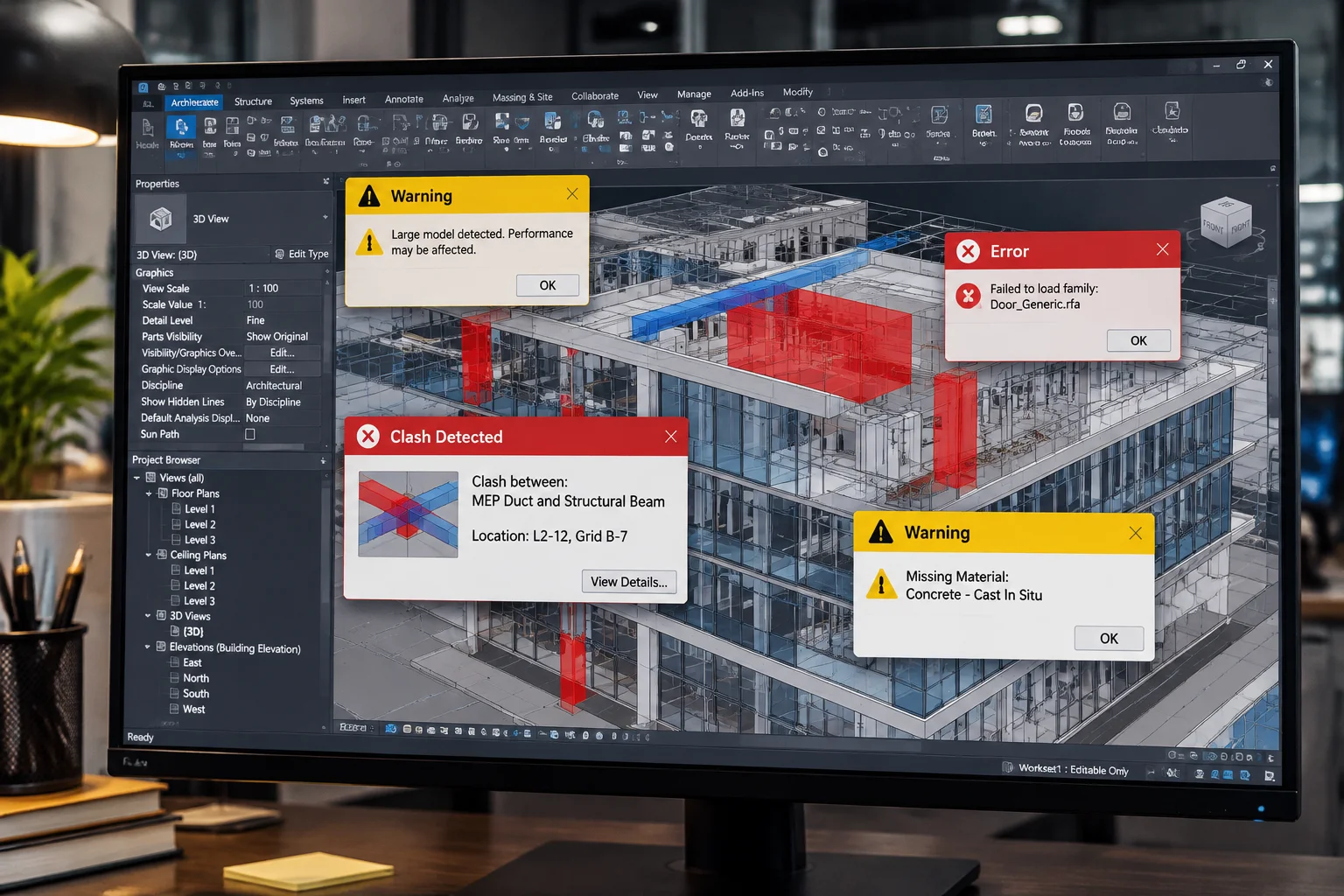
Examining modern multi-disciplinary cloud sync practices, automated clash checking pipelines, and real-time model verification workflows.
Step-by-step audit routines to eliminate visibility overrides, ghost elements, and unlinked annotation tags across large Revit projects.
How machine learning algorithms identify potential geometric collisions and view template drifts before fabrication drawings are issued.
Identifying boundary conditions where automated software calculations deviate from physical spatial reality in structural-architectural interfaces.
Purging unused families, resolving corrupt CAD imports, and reducing file sizes to maintain high viewport frame rates and sheet render speed.
Quantitative study tracking financial impact and field rework costs caused by uncoordinated mechanical ducting and architectural ceiling drops.
Case study on the catastrophic downstream errors arising when Project Base Point and Survey Point settings drift between linked models.
Every case report in our register undergoes a multi-tier audit process to verify root causes, software behavior, and corrective remedies under real project conditions.
Isolating model geometry, view depth filters, and sheet parameter mismatches across multidisciplinary sets.
Replicating visibility errors in controlled test environments to isolate software settings from user error.
Translating lessons learned into actionable BIM execution rules and automated checking scripts.
Key information regarding our methodology, data collection, and application to BIM documentation standards.
Cases are chosen based on frequency of occurrence in commercial projects, financial impact of potential rework, and technical complexity in BIM view parameters.
Yes. While technical steps reference Revit controls, core principles of view range management, coordinate alignment, and schedule consistency apply universally.
The register is updated continuously as new coordination issues are analyzed and verified by our senior BIM audit team.
Review Record 08 for detailed troubleshooting steps or reference our View Standards methodology to re-establish Shared Coordinates safely.